
Understand Parkinson’s Disease: Causes, Symptoms, and Ayurvedic Treatment Options
April 17, 2023 2023-04-17 16:06Understand Parkinson’s Disease: Causes, Symptoms, and Ayurvedic Treatment Options
Understand Parkinson’s Disease: Causes, Symptoms, and Ayurvedic Treatment Options
What is Parkinson’s Disease?
Parkinson’s disease is a long-term neurological condition affecting the brain’s central nervous system. It is caused by the loss of dopamine-producing brain cells, which leads to various kinds of physical and mental symptoms that get worse over time. While the exact cause of this cell death and Parkinson’s disease is unknown, It is believed that a combination of environmental and genetic factors lead to Parkinson’s disease.
Parkinson’s disease motor sign is characterized by tremors (shaking hands), stiffness (Inflexibility), lack of movement, issues with balance and coordination and difficulty with walking and gait. Non-motor signs like depression, anxiety, sleep issues, and cognitive changes can also develop as the condition advances. Parkinson’s disease can impact people of all ages, but it is most frequently found in people over 60. Parkinson’s disease symptoms and how they impact other people may be different. Many individuals can live with the illness and continue to do activities, whereas others could find themselves disabled sooner than others. In certain situations, problems such as falling or infections such as pneumonia can lead to premature death.
Causes of Parkinson’s Disease
Parkinson’s disease is a brain condition that can be brought on by both genetics and surroundings. Movement becomes challenging as a result of the death of specific brain cells, which causes Parkinson’s disease. Some toxins and substances can raise the risk of contracting the illness, but not everyone who is subjected to them will get it. Although Parkinson’s disease can impact anyone, it tends to affect older adults more frequently.
Symptoms of Parkinson’s Disease
The signs of Parkinson’s disease differ from person to person. Shaking, stiffness, sluggish movement, balance issues, and poor coordination are instead some of the usual signs. Other signs could be difficulty speaking or writing, as well as sadness, worry, and sleep issues. Typically, these symptoms progressively deteriorate over time. The symptoms of Parkinson’s disease may vary from person to person, and the severity and progression of the disease can also differ. Common symptoms of Parkinson’s disease include:

What are the stages of Parkinson’s Disease?
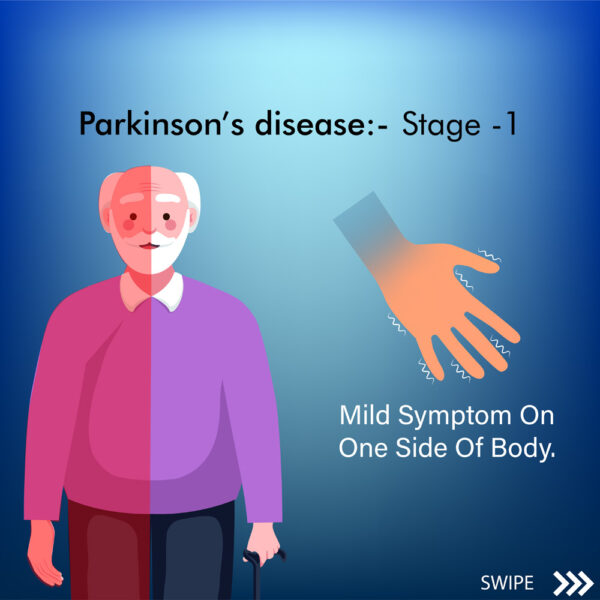
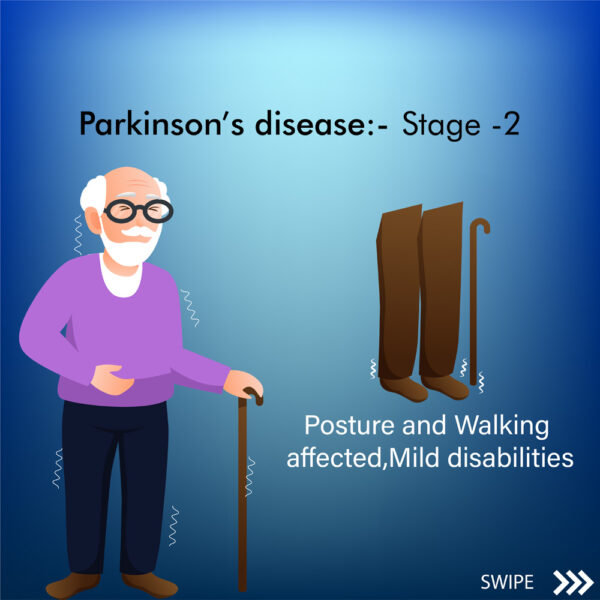
Parkinson’s disease is a progressive neurodegenerative disorder that typically develops slowly over time. The progression of Parkinson’s disease can be divided into several stages, although the duration and severity of each stage can vary from person to person. The commonly recognized stages of Parkinson’s disease are as follows:


Is there any treatment for Parkinson’s Disease? Is Parkinson’s Disease can be cured?
There is currently no approved treatment or cure for Parkinson’s disease, which is a chronic and progressive illness. However, there are medications and therapies available to help manage the symptoms and improve the quality of life for those with the disease.
Medication is the main form of therapy for Parkinson’s disease, and levodopa is by far the most popular drug. By raising dopamine levels in the brain, this drug can help reduce trembling and rigidity that are associated with motor symptoms. Other drugs include MAO-B inhibitors, which help stop the breakdown of dopamine, and dopamine agonists, which imitate the effects of dopamine in the brain.
Physical therapy, occupational therapy, and speech therapy are just a few of the therapies that can help control Parkinson’s disease symptoms in addition to medicine. These treatments can aid in enhancing communication, equilibrium, and movement.
What’s the problem involved with Parkinson’s?
We all know that Parkinson’s disease has no known cure and like with any medical treatment, there are potential risks and side effects associated with Parkinson’s disease treatment.
Parkinson’s disease treatment can be challenging due to limitations and potential risks. While treatments can help manage symptoms and improve quality of life, they do not cure or slow the progression of the disease. Symptoms may worsen over time, and some treatments can cause side effects such as nausea, dizziness, and hallucinations. Finding the right treatment can also be a trial-and-error process as each person’s response to medication can vary. Additionally, the individual’s age, overall health, and other medical conditions they may have can limit treatment options.
Despite these challenges, ongoing research is exploring new treatment options for Parkinson’s disease, including gene therapy and stem cell therapy. These therapies are still in the early stages of development and are not yet widely available. It’s important to discuss the potential risks and benefits of any treatment options with a healthcare provider. The benefits of treatment often outweigh the potential risks, and many people with Parkinson’s disease find relief from their symptoms with appropriate treatment. The risks of treatment vary depending on the type of treatment used and the individual’s overall health. Some medications used to treat Parkinson’s disease may cause side effects such as nausea, dizziness, and hallucinations. Surgical procedures, such as deep brain stimulation, carry risks such as bleeding, infection, and stroke.
How to Cure Parkinson’s?
Despite these challenges, ongoing research is exploring new treatment options for Parkinson’s disease, including gene therapy and stem cell therapy. These therapies are still in the early stages of development and are not yet widely available. It’s important to discuss the potential risks and benefits of any treatment options with a healthcare provider. The benefits of treatment often outweigh the potential risks, and many people with Parkinson’s disease find relief from their symptoms with appropriate treatment. The risks of treatment vary depending on the type of treatment used and the individual’s overall health. Some medications used to treat Parkinson’s disease may cause side effects such as nausea, dizziness, and hallucinations. Surgical procedures, such as deep brain stimulation, carry risks such as bleeding, infection, and stroke.
Second & Our favorite option is Ayurveda, the traditional system of medicine from India, offers a holistic approach to health and wellness, including the management of Parkinson’s disease. While Ayurveda does not claim to provide a cure for Parkinson’s disease, it aims to restore the balance and harmony of the body, mind, and spirit, and may help in managing the symptoms and improving the quality of life of individuals with Parkinson’s disease.
Why Ayurvedic treatment?
Parkinson’s disease can impact individuals differently, so it’s crucial to create a personalized treatment strategy in collaboration with an Ayurvedic healthcare professional.
While there are many traditional Parkinson’s disease therapy choices accessible, some patients may prefer to investigate complementary or alternative therapies like Ayurveda. Ayurveda is a traditional Indian medical method that promotes mental, social, and spiritual health using a holistic strategy.
Herbs, massages, meditation, and dietary adjustments are all possible ayurvedic remedies for Parkinson’s disease. According to some research, certain Ayurvedic herbs, like Mucuna pruriens, may have positive impacts on dopamine levels and Parkinson’s disease signs.
If you are thinking about Ayurvedic remedies for Parkinson’s disease then you must consult a licensed Ayurvedic healthcare professional who is knowledgeable about traditional therapies. They can make a custom therapy plan that caters to your particular requirements while also assisting you in understanding the possible risks and advantages.
Ayurvedic treatment & Cure for Parkinson’s Disease
As a result, Parkinson’s disease can be difficult to control, but Ayurvedic remedies like Ayurvedic Parkikyor Capsules can provide all-natural, all-secure, no side-effect and efficient relief from Parkinson’s disease. Have a conversation with a healthcare provider about the possible advantages of Ayurvedic therapies like Parkikyor if you or someone you know has Parkinson’s disease.
Other Ayurvedic therapies for Parkinson’s Disease
Here are some Ayurvedic therapies that may be helpful in managing Parkinson’s disease:
Panchakarma: Panchakarma is a five-part Ayurvedic Detoxification process that includes enemas, steam baths, as well as oil massages among other healing methods. The removal of toxic compounds from the body using this therapy may slow the progression of Parkinson’s disease.
Shirodhara: Shirodhara is a relaxing method that involves constantly pouring warm herbal oil over the top of the head. This therapy can aid in reducing anxiety and stress in Parkinson’s disease patients.
Abhyanga: Abhyanga is an Ayurvedic massage method in which a warmed herbal oil is applied to the entire body. Calm, less irritation, and better circulation are the perks of this therapy.
Yoga: Yoga is an age-old discipline that combines physical poses, breathing techniques, and meditation. Yoga can help increase flexibility, balance, and strength, which can be helpful for people with Parkinson’s disease.
Ayurvedic herbs: lots of Ayurvedic herbs, including Ashwagandha, Brahmi, Kaucha, and Jatamansi, can be helpful for people with Parkinson’s disease. These plants can aid in reducing inflammation, enhancing brain function, and improving general health.
Ayurvedic Diet: An Ayurvedic diet is founded on The system that concentrates on balancing the three doshas, or energies, which are Vata, Pitta, and Kapha. An Ayurvedic diet places a focus on entire, Unprocessed food and can help improve metabolism and reduce inflammation.